Executive Summary
Port 37 is a vertically integrated cannabis destination on 37 acres, designed as a "seed-to-sale" experience. The complex includes a high-volume retail dispensary, multi-concept restaurant, large-scale cultivation farm, full-processing lab, and secure warehouse logistics. Total capital expenditure: $19.5M. Projected annual revenue at stabilization: $20M.
Capital Expenditure Breakdown
| Facility | Square Footage | CapEx Estimate | Key Cost Drivers |
|---|---|---|---|
| Cultivation Farm | 100,000 sq ft | $6.5M | Greenhouse structure, HVAC, LED lighting, irrigation |
| Processing Lab | 15,000 sq ft | $3.5M | Lab build-out, extraction equipment, infusion kitchen |
| Main Dispensary | 30,000 sq ft | $4.5M | Build-out, security vault, POS, drive-thru tunnel |
| Restaurant Complex | 15,000 sq ft | $3.0M | Construction, kitchen equipment, furniture |
| Warehouse & Admin | 20,000 sq ft | $1.5M | Shell building, racking, offices, security |
| Contingency (15%) | – | $2.5M | Buffer for overruns & delays |
| TOTAL CAPEX | – | $21.5M | – |
Funding Gap Management
Total project cost: $21.5M. Available budget: $20M. The $1.5M gap will be managed through phased construction, vendor financing, and short-term financing against Phase 1 assets.
Phased Implementation Plan
Phase 1: The Engine (Months 1-12)
Goal: Build revenue-generating B2B operations
Build:
- Cultivation farm
- Processing lab
- Core warehouse
Cost: ~$11.5M
Outcome: By Month 10, facility can produce and wholesale biomass, crude oil, and packaged goods
Phase 2: The Experience (Months 13-24)
Goal: Launch customer-facing destinations
Build:
- Main dispensary
- Restaurant complex
- Final site amenities
Cost: ~$10.0M
Outcome: Grand opening of "Port 37" as full destination. Retail & hospitality revenues begin.
Financial Projections (Year 3 - Stabilized)
Revenue Streams
Wholesale Cannabis
$4,000,000Sale of biomass, oil, and white-label products
Retail Dispensary
$12,000,000400 avg daily transactions @ $82 avg ticket
Restaurant & Lounge
$3,500,000Food, beverage, and membership fees
Events & Tours
$500,000Private events, educational tours, festivals
Total Gross Revenue
$20,000,000Operating Costs
81% of revenue
EBITDA (Earnings)
$3,800,00019% EBITDA margin
Key Financial Metrics
Risk Mitigation & Next Steps
Risk Mitigation Strategies
Construction Cost Overruns
15% contingency fund; fixed-price contracts; phased approach
Regulatory & Licensing Delays
Engage cannabis land-use attorney from day one; budget $10k-$250k+ for applications
Market Competition
Differentiate via destination experience, superior product quality, strong restaurant brand
Immediate Next Steps (90 Days)
Assemble Core Team
Hire Project Manager, Cannabis Operations Consultant, and Attorney
Secure Pre-Design Services
Commission full architectural site plan and engineering review
License Application Preparation
Begin drafting applications for cultivation, processing, retail, and consumption licenses
Detailed Financial Modeling
Develop month-by-month cash flow model for phased build-out
Tribal Cannabis Sovereignty Advantage
Operating under Agency Tribal Nations sovereign authority provides unique advantages for large-scale cannabis operations.
Sovereign Jurisdiction
Operations conducted under tribal sovereign immunity, providing protection from certain state regulations while maintaining federal compliance through tribal-federal agreements.
Vertical Integration
Complete control from seed to sale under a single tribal license, eliminating middlemen and maximizing profit margins across cultivation, processing, and retail.
Land Use Flexibility
37 acres of tribal trust land allows for expansive operations without typical municipal zoning restrictions, enabling the complete destination experience.
Port 37 operates under tribal sovereign authority with vertically integrated licensing for cultivation, processing, retail, and on-site consumption—a comprehensive approach not typically available under state systems.
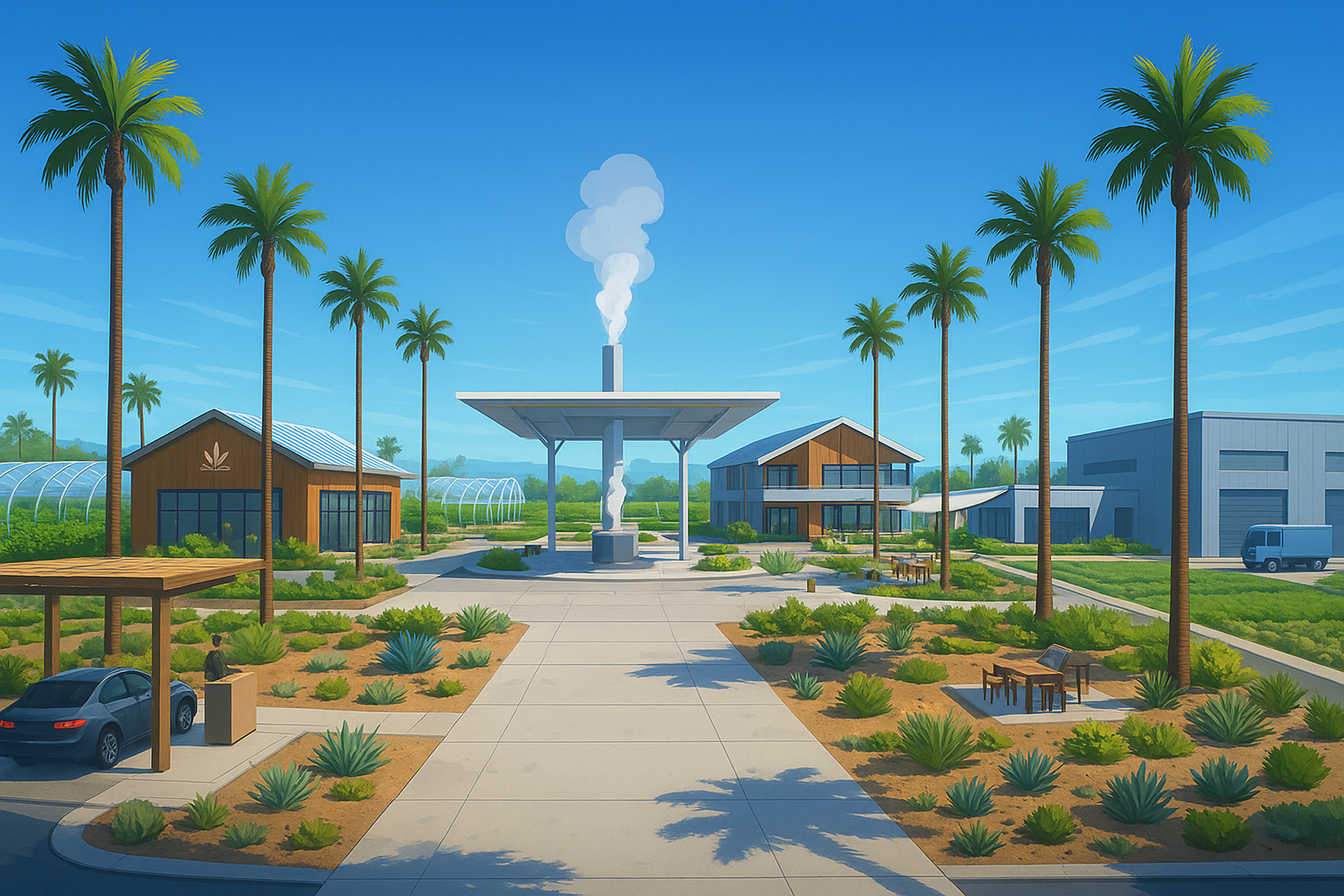
Facility Design & Layout
37-acre vertically integrated cannabis destination concept